Fitting Vice Jaws
Effortlessly Install Fuel Lines with Fitting Vice Jaws: A Must-Have Tool for Race Car Builders
In the world of motorsports, nearly every race car requires some type of plumbing, and the most common components are fuel lines. One of the most popular choices for racing fuel systems is the AN Push-On Hose and socketless push-on hose fittings. These fittings feature barbs that securely grip the corresponding hose, creating an airtight seal. However, getting these fittings into the hose can be a challenging and time-consuming task.
Enter the fitting vice jaws—a game-changing tool that makes hose assembly quicker and easier. Fitting vice jaws are designed to work with a 4” or larger bench vice and can securely hold any size fitting in two orientations. This ensures the fittings remain stationary and stable while the hose is pressed onto the barbs, making the process smoother and more efficient.
With fitting vice jaws, what was once a frustrating and slow task becomes a fast and precise operation. Whether you’re building fuel lines for a dirt track racer, a drag car, or a high-performance track car, this simple tool will save you time and effort, allowing you to focus on other critical aspects of your car’s setup.
Why You Need Fitting Vice Jaws for Your Race Car Build:
- Speed and Efficiency: Makes fitting fuel lines easier and faster.
- Precise Hose Installation: Ensures a secure, airtight fit with minimal effort.
- Works with Any Size Fitting: Holds fittings securely in two orientations for versatility.
- Durable and Reliable: Designed to withstand the demands of motorsports.
Using the right tools for the job can make all the difference in your race car build. Fitting vice jaws are an essential addition to your shop, providing you with the precision and ease you need for creating top-notch fuel systems. Ready to add them to your toolbox? Click the link below to grab your own set today and make hose assembly a breeze.
Get Fitting Vice Jaws Here
![IMG_1022[1]](https://i0.wp.com/racecarcare.com/wp-content/uploads/2019/08/img_10221-1.jpg?w=996&h=996&crop=1&ssl=1 "IMG_1022[1]")


Fitting Wrenches
Essential Fuel Line Fitting Wrenches for Race Car Maintenance
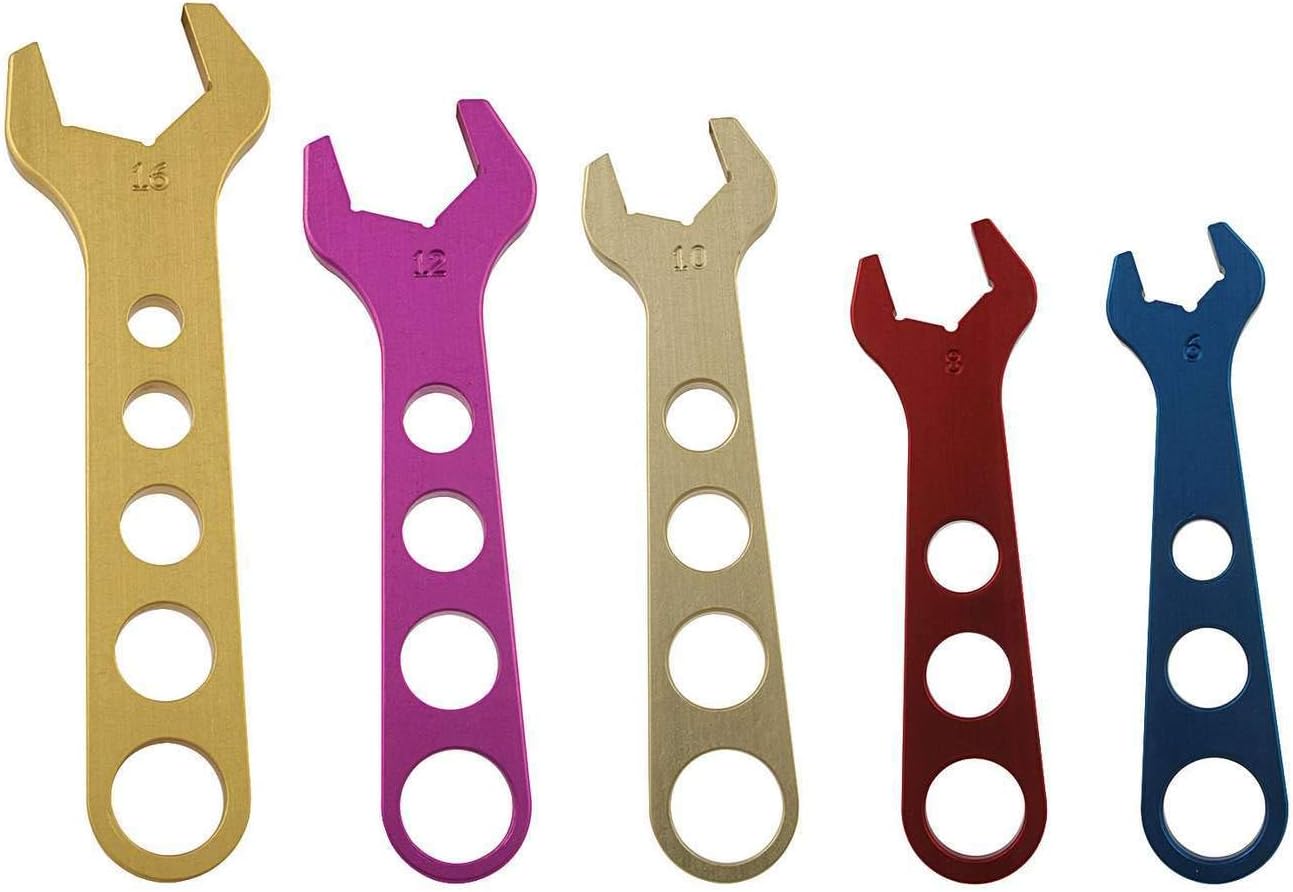
When it comes to maintaining your race car, especially when working with fuel lines, having the right tools is crucial. One of the most important specialty tools you’ll need is a fitting wrench. During weekly maintenance or race prep, you’ll often need to loosen or detach fuel lines, or simply check that your fuel fittings are secure. For these tasks, line wrenches are a must-have in your tool collection.
Unlike standard wrenches, line wrenches are wider, shorter, and typically made of aluminum to prevent over-tightening or rounding off the flats on your fittings. These wrenches provide the precision and grip you need to handle your fuel fittings safely and effectively, ensuring you don’t damage your components.
For fuel lines, the most common sizes are -6AN and -8AN, while water or oil lines (which often use the same type of fittings) typically come in sizes like -10AN or -12AN. Having the correct fitting wrench for each size is essential for maintaining tight and leak-free connections in your fuel system.
Why You Need Fitting Wrenches for Your Race Car:
- Prevents Damage: Made from aluminum to avoid rounding off fittings or over-tightening.
- Easy to Use: Wider, shorter design ensures better grip and control during maintenance.
- Versatile for Different Lines: Suitable for fuel lines, water lines, and oil lines with sizes ranging from -6AN to -12AN.
- Essential for Weekly Maintenance: Perfect for checking and securing fuel fittings on your racer.
Having the right tools, like a fitting wrench, ensures that your race car’s fuel system remains in top condition and prevents costly repairs down the line. Ready to upgrade your tool kit with a high-quality fitting wrench? Click the link below to purchase the perfect wrench for your race car maintenance needs.
Buy Fitting Wrenches Here
The Essential Siphon Pump for Methanol Fuel Transfer: Save Time and Money
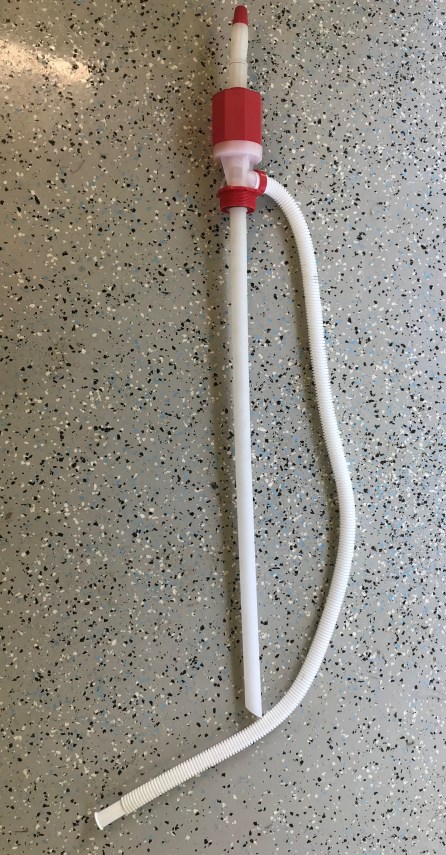
When you’re just starting out in dirt track racing, even simple tools can make a huge difference. One tool every racer needs is a siphon pump for transferring methanol from a 55-gallon drum into your race car. While this might seem like an easy task, the wrong pump can quickly become a costly mistake if you’re not careful.
Most dirt track cars run on methanol because it’s affordable, has a lower flammability risk, and delivers high performance compared to gasoline. However, methanol’s corrosive properties can wreak havoc on cheap pumps, especially those bought from local stores. You might think a standard barrel pump will do the job, but these pumps often fail quickly, with the seals breaking down after just a few uses.
Don’t waste your time and money on pumps that won’t last. Here’s a $32 barrel fluid transfer pump that’s affordable, reliable, and specifically designed to handle methanol. Made of durable plastic, it won’t corrode like traditional pumps, and it’s perfect for your fuel transfer needs.
Why You Need a Reliable Siphon Pump for Methanol:
- Affordable Solution: At just $32, this pump is a budget-friendly option for racers.
- Durable and Reliable: Designed to handle methanol without breaking down.
- Quick and Easy Fuel Transfer: Fast and simple to use, saving you time during race prep.
- No Corrosion Issues: Unlike standard pumps, it won’t corrode from the methanol’s properties.
Stop wasting money on pumps that don’t last. Get yourself a siphon pump that works—one that saves you both time and money. Click the link below to purchase the most reliable and cost-effective barrel fluid transfer pump for your methanol fuel system.
Get Your Siphon Pump Here
Dzus Button Transfers
If you have assembled even one race car you know that mounting the body panels can be frustrating and time-consuming work. Most race car panels are held on by dzus buttons which are quarter turn fasteners. There are dzus button plates welded to the frame of the race car in strategic locations. There is a spring affixed to the dzus button plate using to pop rivets. The dzus button engages the spring and with a quarter turn snaps tight. The trick is to drill holes through your body panels in the exact location as the holes in the dzus button plates.
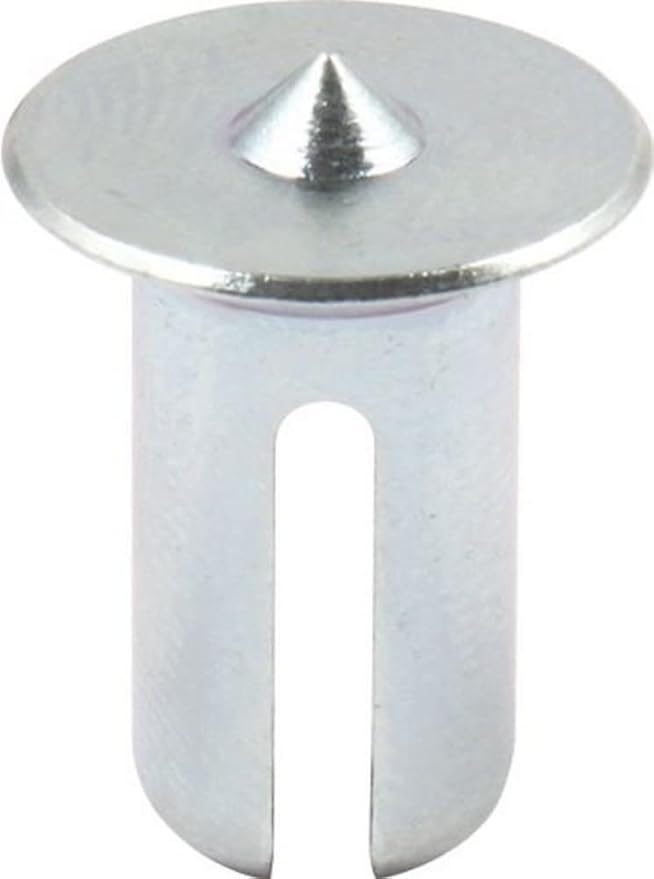
This is where a dzus button transfer punch is a great tool. Install the transfer punch into the dzus button plate. The ideal situation is to have as many transfer punches as there will be holes in a particular panel. Lightly tap with a rubber mallet the body panel over top transfer punch. There will be a little dimple on the body panel. This is where you will drll the hole for the dzus button.
If your body panel is made of fiberglass it can be difficult to see a transfer punch dimple. A helpful tip is to mask on the back of the panel with a tape like painter’s tape. The transfer punch will leave a visible mark in the tape for you to drill your hole.
Get Your Dzus Button Transfers Here
 Race Car Care